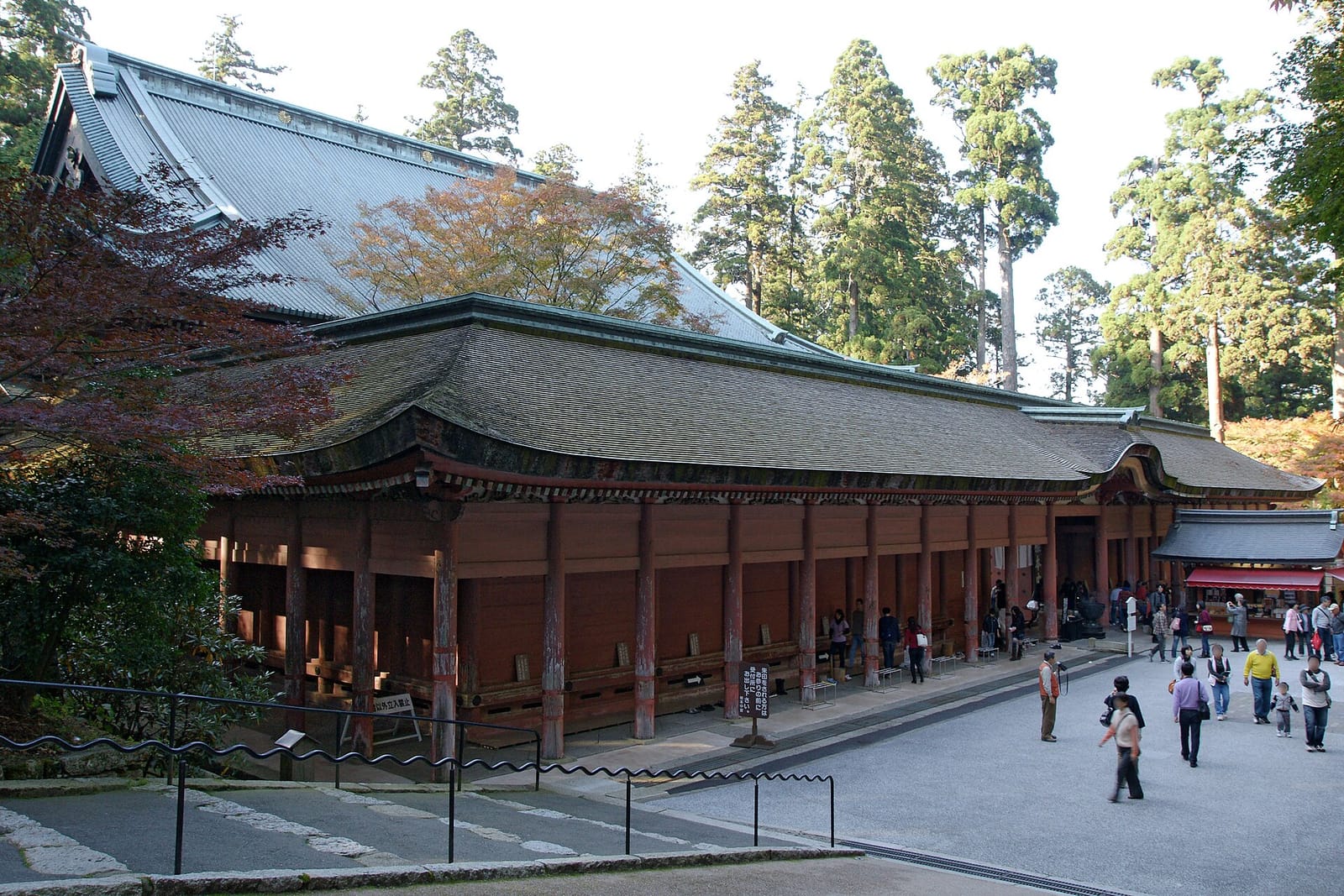
Konponchudo
Photo: 663highland / CC BY 2.5 · Original · Resized and croppedEdo period · Temples · National Treasures
Enryaku-ji
延暦寺 (えんりゃくじ)
Founded by the monk Saicho, Enryaku-ji on Mt. Hiei is a World Heritage temple known as the mother of Japanese Buddhism. Its National Treasure, the Konponchudo main hall in the Todo area, houses the Eternal Flame, said to have burned before the principal image for 1,200 years.
Key facts
- Designation
- National Treasures
- Era
- Edo period
- Type
- Temples
- Location
- Otsu, Shiga
- Address
- 滋賀県大津市坂本本町
Before you go
- Opening hours
- The Todo area is open 9:00–16:00. The Saito and Yokawa areas are open 9:00–16:00 from March to November and 9:30–16:00 from December to February. Ticket sales end at 15:45.
- Closed
- Check the official site
- Admission (adults)
- A combined ticket for the Todo, Saito and Yokawa areas costs ¥1,000 for adults. The National Treasure Hall (museum) costs an additional ¥500.
- Time needed
- Check the official site
- Getting there
- From JR Hieizan-Sakamoto Station, go to Keihan Sakamoto-Hieizanguchi Station and ride the Sakamoto Cable Car to Cable Enryakuji Station (about 40 min in total). From Kyoto, take the Eizan Railway, Eizan Cable Car, ropeway and shuttle bus from Keihan Demachiyanagi Station (about 70 min), or the Hieizan Drive Bus from JR Kyoto or Keihan Sanjo Station to Enryakuji Bus Center (about 70 min).
- Best time to visit
- Each year the trees near the summit start turning color in late October. In autumn, the Yokawa area, known for its beautiful maples, holds a Momiji (maple) Festival.
- Good to know
- The interior of the Konponchudo is closed to visitors for about two years from January 2026 during major renovation. Meanwhile, a stand-in of the principal image and the Eternal Flame are enshrined in the nearby Manpaido hall. The shuttle bus on the mountain does not run in winter.
Checked against official information on November 12, 2026. Fees and hours can change, so please also check the official site before you go.
Sources for visitor information
Key facts
- Designation
- National Treasures
- Era
- Edo period
- Type
- Temples
- Location
- Otsu, Shiga
- Address
- 滋賀県大津市坂本本町
About this place
Enryaku-ji is on Mount Hiei in Otsu, Shiga Prefecture. A temple founded by Saicho in the Heian period, it has produced many eminent monks as a place of study and training and is called the 'Mother Mountain of Japanese Buddhism.' Mount Hiei has three areas, Todo, Saito and Yokawa, and the halls and other buildings across them are together called Enryaku-ji. It is a UNESCO World Cultural Heritage site, and the building designated a National Treasure is the Konpon Chudo in the Todo area.
It began with the Ichijo Shikan-in that Saicho founded on Mount Hiei in 788. Saicho was born around 767 in Mitsu in Omi Province, now Sakamoto, received the full precepts at Todai-ji in Nara in 785 and then entered Mount Hiei. After studying in Tang China and returning, he gained recognition for the founding of the Tendai school in 806. He died in 822, and seven days later the imperial court approved the granting of Mahayana precepts at Mount Hiei itself. After his death the Ichijo Shikan-in was granted the temple plaque 'Enryaku-ji.'
The Konpon Chudo, descended from this Ichijo Shikan-in, is Enryaku-ji's main hall. The principal image is Yakushi Nyorai. The Agency for Cultural Affairs explains that it was originally three small halls, later combined into a single hall. The present hall was rebuilt on the orders of Tokugawa Iemitsu; the Agency gives the rebuilding as 1640, while the official site gives completion as 1642. It is a hip-and-gable building eleven bays wide and six deep, a spacious hall in the Japanese style.
Inside, note the difference between the floors of the outer and inner sanctuaries. The outer sanctuary was used as a worship hall and has a wooden floor, while the inner sanctuary is an earthen floor, with a boundary between them. In the center of the inner sanctuary stand the Ruri altar, with the Soshi altar to the left and the Bishamon altar to the right, and the hall is regarded as a leading example of the Tendai main-hall form. In front of the principal image is the Eternal Dharma Flame, which the official site says has burned for twelve hundred years. The official site announces a major renovation of the Konpon Chudo, so check visiting conditions before you go.
The surrounding buildings also show depth of history. Monju-ro, founded by Ennin on the model of the Wutai Shan hall in China, is a gate that people climbing the Hon-zaka path pass through first. It burned in 1668 and the present building is from after that. The Daikodo is a building moved in 1964 from the Sanbutsudo in Sakamoto at the foot of the mountain, and holds wooden images of the founders of the schools that trained on Mount Hiei. That Honen, Eisai, Shinran, Dogen and Nichiren studied here is why it is called the mother mountain. The official site also introduces the mountain as offering a view over Lake Biwa and the Kyoto townscape.
Buildings designated as National Treasures
Enryaku-ji Konpon Chudo (Central Hall)
- Era
- Early Edo period
- Year
- 1640
- Structure
- eleven bays wide, six bays deep, single-story, hip-and-gable roof, seam-joined copper-sheet roofing
- Designated
- March 31, 1953
Sources and date checked
Facts such as eras, structures and locations are edited and translated by us from the Agency for Cultural Affairs’ database of nationally designated cultural properties. The Agency and the national government did not produce this page.
Database of nationally designated cultural properties- Agency for Cultural Affairs, Database of National Cultural Properties: Enryaku-ji Konpon Chudo (Central Hall)
- History of Enryaku-ji (Hieizan Enryaku-ji)
- Toto Area (Hieizan Enryaku-ji)
- Hieizan Enryaku-ji official site
Checked on November 6, 2026
Report an error
If you notice a mistake, please tell us along with a source for the correct information.
Where to go next
Places you could see on the same day, and places worth comparing.
Nearby cultural heritage
Places within 10 km, nearest first. Distances are in a straight line.
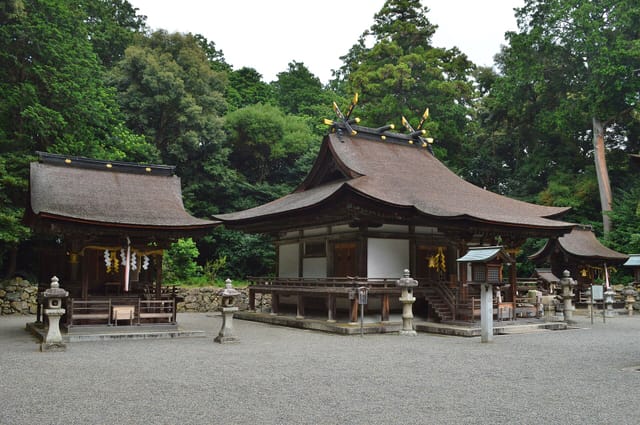
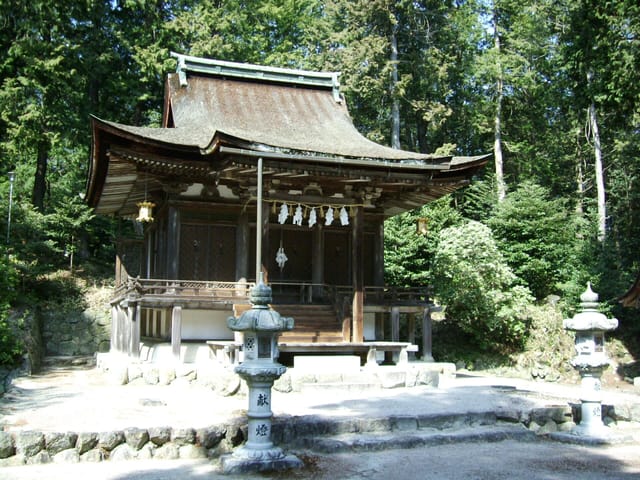
More from Shiga
Discover more of the same region on our sister sites.
Matsuri Biyori
UNESCO-listed festivals in Shiga
- Nagahama Hikiyama Festival Float Event
- Otsu Festival Hikiyama Float Event
- Omi Konan no San'yare Odori
- Omi no Kenketo Matsuri Naginata Furi
Meiga no Furusato
Paintings linked to Shiga
- The Sixty-nine Stations of the Kisokaido: Kashiwabara
- The Sixty-nine Stations of the Kisokaido: Samegai
- The Sixty-nine Stations of the Kisokaido: Banba
- The Sixty-nine Stations of the Kisokaido: Toriimoto
Sake Tabi
Breweries and distilleries in Shiga
- Fujii Honke Sake Brewery Tour
- Nagahama Distillery (Nagahama Roman Beer)
- Nagahama Roman Beer
- Hikone Beer Kojinyama Brewery