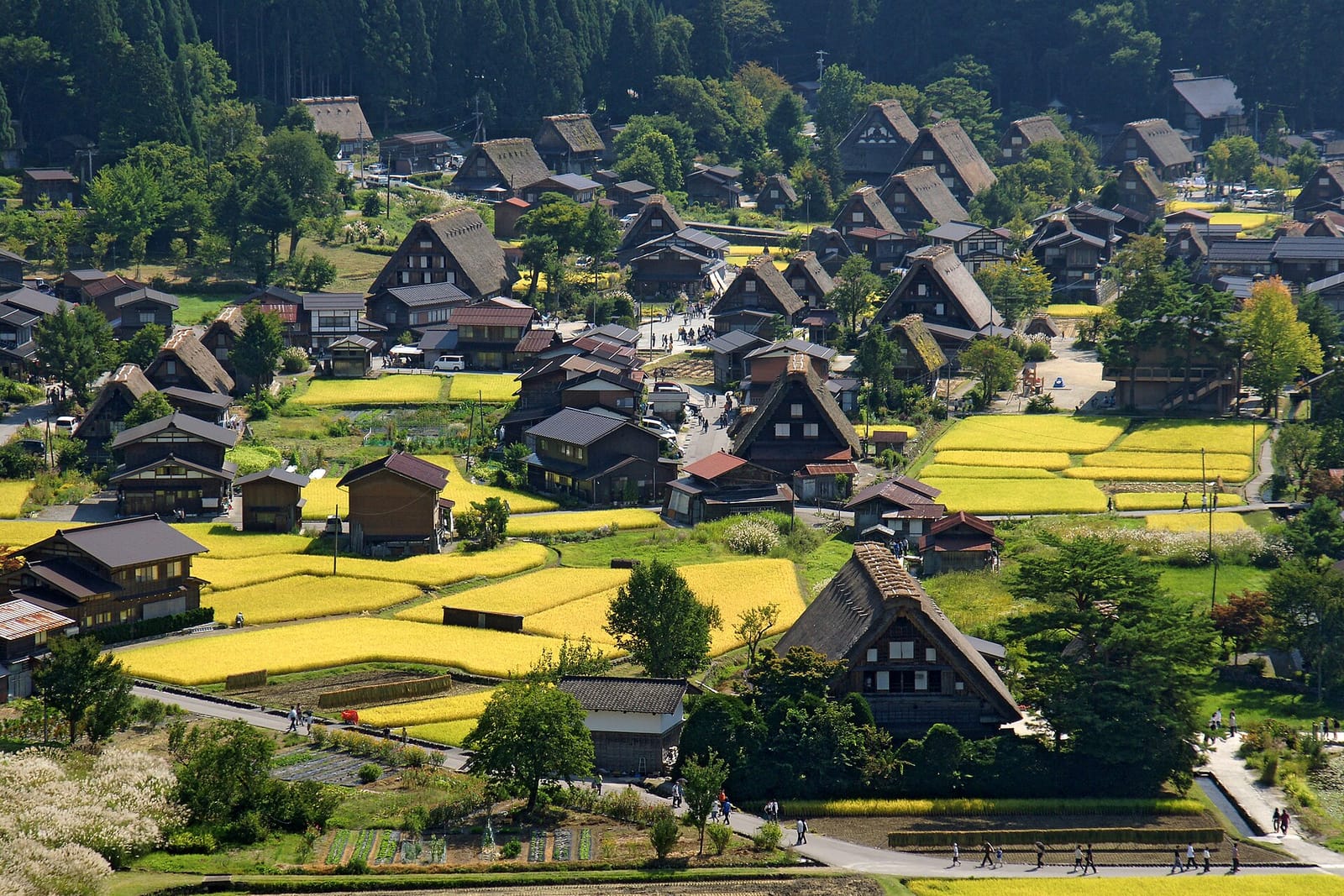
The gassho-style village at harvest time
Photo: 663highland / CC BY 2.5 · Original · Resized and croppedHistoric districts
Shirakawa-go Ogimachi
白川村荻町 (しらかわむらおぎまち)
A snow-country farming village where steep thatched gassho-zukuri farmhouses stand in rows on terraces along the Sho River, all facing the same way. Listed as a World Heritage Site with Gokayama in 1995, it still re-thatches its roofs through yui, a tradition of communal labor.
Key facts
- Designation
- Important Preservation Districts for Groups of Traditional Buildings
- Type
- Historic districts
- Location
- Shirakawa, Gifu
- Address
- 岐阜県大野郡白川村
Before you go
- Opening hours
- Because people live in the village, visitors are asked to come between 8:00 and 17:00 (except overnight guests in the village and on event days such as the light-up).
- Closed
- Check the official site
- Admission (adults)
- Walking around the village is free. Gassho-zukuri houses open to visitors charge ¥300-400 each, and the Gassho-zukuri Minkaen open-air museum charges ¥800.
- Time needed
- Allow about 2 to 3 hours to see the whole village.
- Getting there
- There is no train station nearby, so take an express bus: about 50 minutes from Takayama Station, or about 1 hour 20 minutes from Kanazawa or Toyama Station, to Shirakawa-go Bus Terminal. Drivers use the village-run Seseragi Park parking lot (¥2,000 per car, 8:00-17:00).
- Best time to visit
- Cherry blossoms bloom from mid-April to early May, and autumn colors peak from late October to mid-November. In winter the snow can be over 170 cm deep in February, and a fully reserved evening light-up is held on set winter days.
- Good to know
- There are no trash bins in the village, so return trash to the shop where you bought it or take it with you. Light-up days are by reservation only: visitors without a booking cannot enter, and drones are banned. A shuttle bus to the Ogimachi Castle Ruins Observatory leaves from in front of the Wada House (¥300 one way).
Checked against official information on November 12, 2026. Fees and hours can change, so please also check the official site before you go.
Sources for visitor information
Key facts
- Designation
- Important Preservation Districts for Groups of Traditional Buildings
- Type
- Historic districts
- Location
- Shirakawa, Gifu
- Address
- 岐阜県大野郡白川村
About this place
Ogimachi is a mountain village on the Sho River in Shirakawa, Gifu Prefecture. It was selected as an Important Preservation District for Groups of Traditional Buildings on 4 September 1976 and covers 45.6 hectares. Its core is a group of gassho-zukuri farmhouses, a style found characteristically in Shirakawa-go and in Etchu Gokayama. The houses have steep, broad thatched roofs, and the space under the roof is divided into two or three floors of rooms. Hasa-goya, small farm sheds, are also scattered through the district.
When you look, pay attention to how the whole settlement is laid out rather than to a single house. Its core lies on the east (right) bank of the Sho River, where a river terrace spreads in the shape of a crescent. House plots are scattered among the fields there, and the ridges of the gassho-zukuri houses all follow the line of the river. Take in the old road, the fields with their banks and the irrigation channels as well, and you can read the whole as one farming village. What is protected is not only buildings but land that has kept its farming pattern. It also lies in one of the snowiest regions of Japan, which is worth keeping in mind.
According to the Agency for Cultural Affairs, gassho-zukuri is said to have developed with sericulture, which flourished from the middle of the Edo period, and the production of saltpeter (ensho). Once you understand the large attic rooms, usable on two or three levels, as a form that grew together with the local livelihood, the exterior looks different.
This landscape has been protected by the residents. A society to protect the natural environment of the Ogimachi settlement was founded in 1971, a survey was carried out in 1974, and the district was designated by the state in 1976. From 1977 fire-prevention work began with water cannons and hydrants, and the water cannons now number 60. According to a 2026 summary by Shirakawa Village, there have been 263 preservation repairs since the 1976 selection. Roofs are rethatched by communal work known as yui, and the society, besides reviewing proposed alterations every month, encourages yui rethatching and holds thatch-cutting events. The burying of utility lines was completed in fiscal 2010.
In 1995 the village was inscribed as a World Cultural Heritage site as the Historic Villages of Shirakawa-go and Gokayama. Because the listing is shared with Gokayama, comparing it with the villages on the Toyama side makes the differences within the same style easier to see. After the listing, traffic congestion became an issue: large vehicles were restricted inside the district in 2009, and year-round restrictions on tourist vehicles began in 2014. The village is meant to be seen on foot, so take your time, moving from the road along the Sho River up to the fields on the terrace and changing your height as you go.
About the district
- Type of district
- mountain village
- Area
- 45.6 hectares
- Selected
- September 4, 1976
Sources and date checked
Facts such as eras, structures and locations are edited and translated by us from the Agency for Cultural Affairs’ database of nationally designated cultural properties. The Agency and the national government did not produce this page.
Database of nationally designated cultural properties- Agency for Cultural Affairs, Database of National Cultural Properties
- Shirakawa-mura Ogimachi (Agency for Cultural Affairs, Preservation and Utilization of Important Preservation Districts for Groups of Traditional Buildings, document by Shirakawa Village)
- National Council for Preservation of Historic Districts: Shirakawa-mura Ogimachi
Checked on November 6, 2026
Report an error
If you notice a mistake, please tell us along with a source for the correct information.
Where to go next
Places you could see on the same day, and places worth comparing.
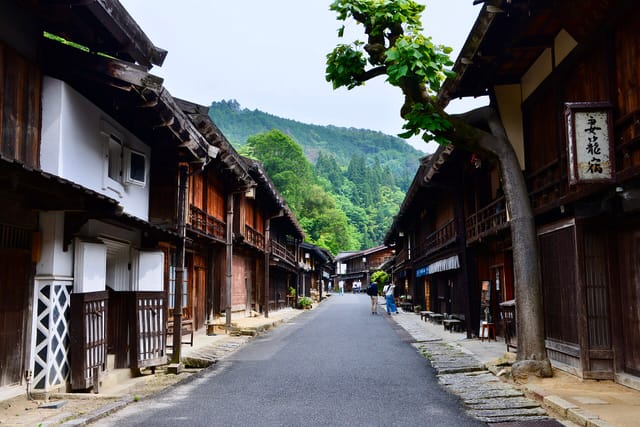
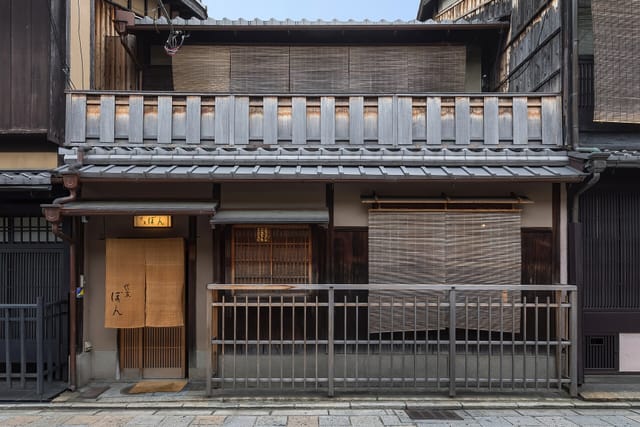
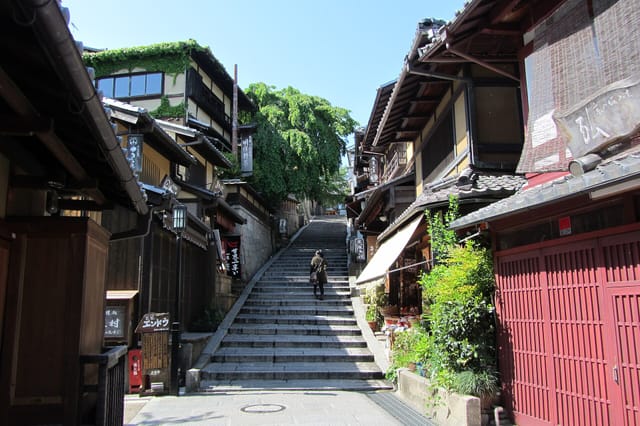
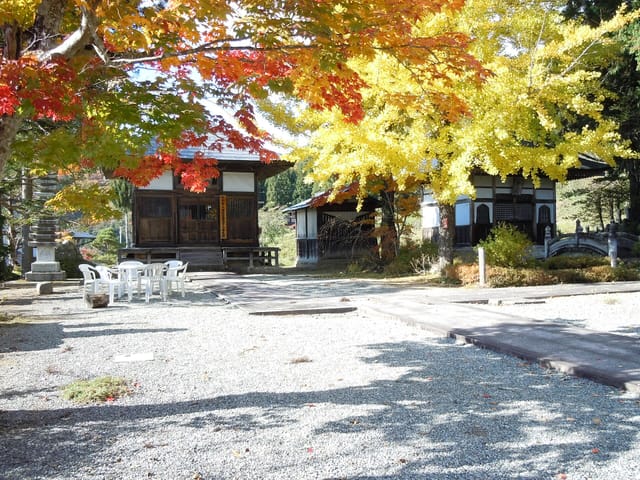
More from Gifu
Discover more of the same region on our sister sites.
Matsuri Biyori
UNESCO-listed festivals in Gifu
- Takayama Festival Yatai Float Event
- Furukawa Festival Okoshi-daiko and Yatai Float Event
- Ogaki Festival Yama Float Event
- Gujo Odori
Meiga no Furusato
Paintings linked to Gifu
- The Sixty-nine Stations of the Kisokaido: Magome Station: Distant View from the Pass
- The Sixty-nine Stations of the Kisokaido: Ochiai
- The Sixty-nine Stations of the Kisokaido: Nakatsugawa (Fair Weather)
- The Sixty-nine Stations of the Kisokaido: Oi
Sake Tabi
Breweries and distilleries in Gifu
- Chicory Village Chicochico Shochu Distillery
- Kamo Shuzojo (Shiramayumi)
- 104BREWERY
- Blade Factory Brewing TAPROOM